

By: Daisy S. Vergara, NCC, LMHC, RPT-S
Many parents wonder if their child needs therapy.
The signs are not always obvious. In many cases, children show stress through behavior long before they have the words to explain what they are feeling.
“Is this just a phase?”
“Or should I talk to someone about my child?”
The truth is, children don’t usually say,
“I feel anxious,” or
“I’m overwhelmed.”
Instead, their feelings show up in behavior.
What looks like defiance, withdrawal, or frustration can sometimes be a child trying to cope with stress or big emotions.
If you’ve been wondering whether your child might benefit from child therapy, here are a few signs parents often notice first.
1. Big Emotions Can Be One Sign Your Child Needs Therapy

Every child has meltdowns.
Sometimes, the reaction feels much bigger than the moment.
You might notice:
Small frustrations turning into large emotional reactions
Difficulty calming down after becoming upset
Frequent crying, yelling, or shutting down
When a child struggles to regulate their emotions, they may need help learning how to calm their body and express what they’re feeling.
A child therapist can help children learn emotional regulation and coping skills in ways that make sense for their age.
2. Sudden Changes in Behavior

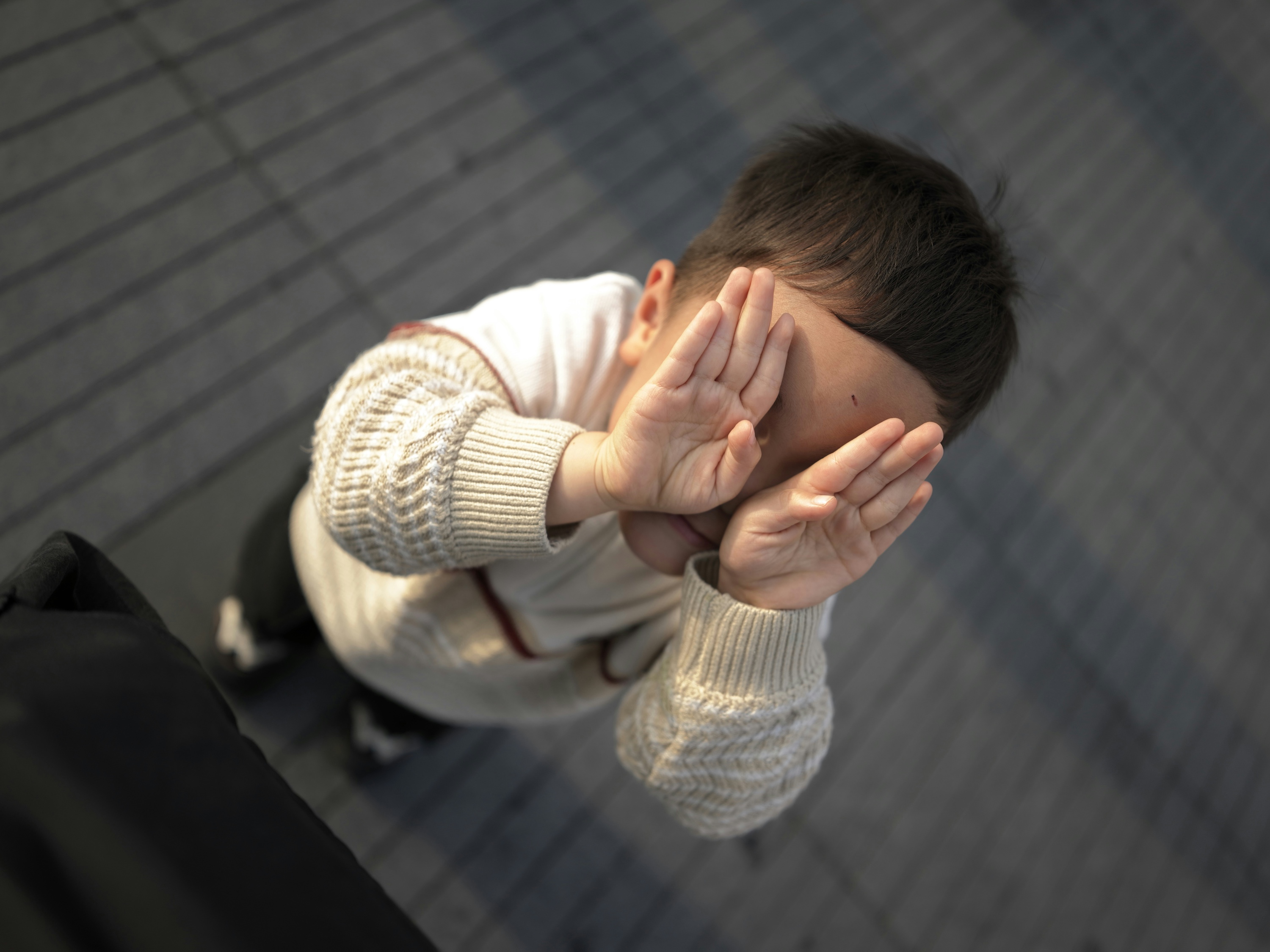 According to the American Academy of Pediatrics, emotional and behavioral changes can sometimes be early signs that a child is struggling.
Often, parents notice when something about their child feels different.
Maybe your child becomes quieter than usual.
Sometimes children suddenly resist school.
Other times, they seem more anxious or clingy.
Children often show stress through changes in behavior because they don’t always have the words to explain what they’re feeling.
Working with a child therapist gives children a safe space to talk, play, and process those emotions.
3. Frequent Stomachaches or Headaches

Many children carry stress in their bodies.
Parents often hear things like:
“My stomach hurts.”
Sometimes a child will say, “I feel sick.”
Other times, you may hear, “My head hurts.”
For example, these complaints may show up before school, social situations, or other stressful events.
When children don’t yet have the language to talk about anxiety, their body often speaks first.
Child therapy can help children understand their feelings and learn ways to manage stress.
4. School Struggles (Even When Your Child Is Capable)

Some children understand their schoolwork but still struggle to keep up.
Parents may notice:
Missing assignments
Trouble getting started on homework
Difficulty staying organized
Avoiding schoolwork
In many cases, these struggles are not about motivation.
Sometimes anxiety, attention challenges, or emotional stress make school feel overwhelming.
A child therapist can help children build confidence, organizational skills, and emotional resilience.
5. Behavior That Looks Like Defiance

Parents sometimes say,
“My child just won’t listen.”
But behavior is communication.
Children often act out when they feel:
Overwhelmed
Frustrated
Anxious
Unable to explain their feelings
What looks like defiance may actually be a child asking for help in the only way they know how.
Child therapy helps children understand their emotions and express them in healthier ways.
What Parents Often Miss
Therapy is not about “fixing” a child.
It’s about helping children understand themselves.
Through child therapy, children can learn to:
Understand their emotions
Express their feelings safely
Build coping skills
Strengthen their relationship with their parents
Getting support early can make a meaningful difference in a child’s emotional development.
Child Therapy in Renton and the Greater Seattle Area
Many families looking for support start by searching for a child therapist in Renton or nearby communities.
At Ohana Behavioral Health, we provide child and teen therapy for families in Renton and surrounding areas, including Kent, Maple Valley, Bellevue, and Seattle’s Eastside.
Our therapists help children build emotional regulation, confidence, and healthy coping skills. We support children who may be struggling with anxiety, school stress, behavioral challenges, or major life transitions.
If you’ve been wondering whether your child may need therapy, speaking with a child therapist can help you better understand what your child may be going through.
If you’d like to learn more about child therapy at Ohana Behavioral Health, we welcome you to reach out and start the conversation.